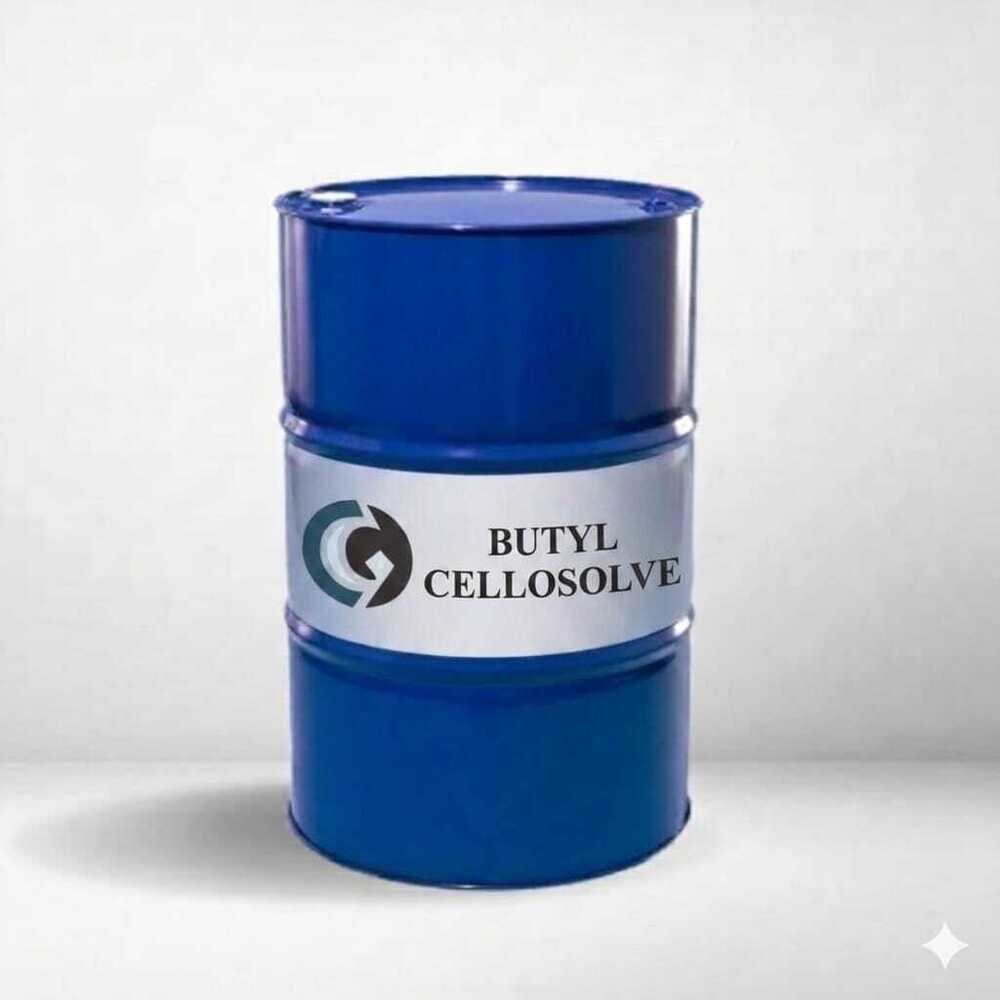
About Butyl Cellosolve
We have developed a fully fledged processingfacility, helping us to manufacture and supply Butyl Cellosolve. This range of chemical is mainly used for gasoline blending, propane mixer and lighter fuel. Our diligent workforce uses optimum grade chemical compounds to formulate the chemicals. The quality inspectors precisely check the Butyl Cellosolve on safety and purity parameters to offer a flawless range to the clients.
Features:
- Colorless and odorless
- Accurate composition
- Longer shelf life
High Performance and Versatile ApplicationsButyl Cellosolve is well-suited for a range of industrial uses thanks to its high solvency power and ability to mix easily with water, alcohols, and various organic solvents. It is commonly used as a solvent for dyes, resins, and oils, as well as in cleaning agents and paint removers. Its efficiency in dissolving a wide variety of substances makes it a preferred choice for manufacturing and maintenance processes.
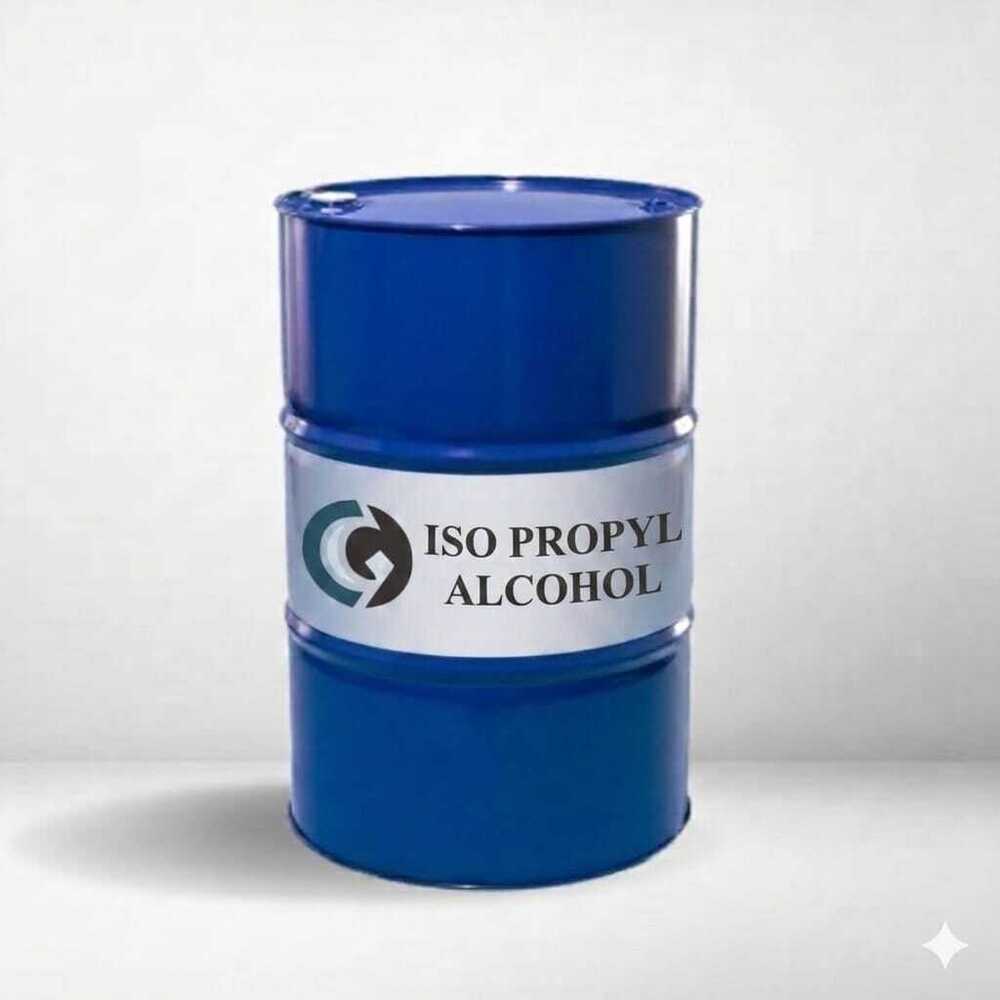
Safe Handling and Storage GuidelinesDue to its toxic properties (hazard statements H302, H312, H315, H319, H332), Butyl Cellosolve requires careful handling and storage. It should be kept in tightly sealed barrels or drums in a well-ventilated area away from heat or ignition sources. Users should follow safety protocols, including wearing protective equipment, to prevent harmful exposure via inhalation, ingestion, or skin absorption.
Packaging, Shelf Life, and Regulatory ComplianceButyl Cellosolve is available in barrels or drums and has a shelf life of up to two years when stored properly. Labeled under UN number 2810 and hazard class 6.1, it meets industrial standards and regulatory requirements, including HS code 29094300. Strict adherence to transport and storage regulations ensures environmental and workplace safety.
FAQs of Butyl Cellosolve:
Q: How should Butyl Cellosolve be used safely in industrial environments?
A: Butyl Cellosolve should always be handled in well-ventilated areas, using appropriate personal protective equipment such as gloves and goggles. Contact with skin, eyes, and clothing should be avoided to minimize health risks, and direct inhalation of vapors must be prevented. Follow local safety protocols and consult the safety data sheet before use.
Q: What are the main applications of Butyl Cellosolve?
A: Butyl Cellosolve is primarily used as a powerful solvent in the manufacture of paints, coatings, and inks, as well as in industrial cleaning and degreasing. It also serves as a solvent for dyes, resins, and oils, and is common in the formulation of cleaning agents and paint removers.
Q: When is Butyl Cellosolve typically preferred over other solvents?
A: Butyl Cellosolve is chosen when a high solvency, water miscible solvent is needed for dissolving a broad range of substances efficiently, particularly in cleaning formulations, paint applications, and the dyeing process. Its pleasant odor and neutral pH make it suitable for industrial environments where both performance and user comfort matter.
Q: Where should Butyl Cellosolve be stored to maintain its efficacy?
A: It should be stored in tightly sealed containers, such as barrels or drums, in a cool, dry, and well-ventilated location away from heat sources and ignition points. This helps to preserve its shelf life and ensures safety by reducing the risk of accidental exposure or degradation.
Q: What is the process for disposing of Butyl Cellosolve?
A: Disposal must comply with local environmental regulations for hazardous materials due to its toxicity. Generally, unused or waste Butyl Cellosolve should be sent to a licensed waste disposal facility, and containers should be thoroughly cleaned and disposed of according to official guidelines to prevent contamination.
Q: How does using Butyl Cellosolve benefit industrial operations?
A: Its excellent solvency and compatibility with a wide range of materials enhance the effectiveness of cleaning, coating, and manufacturing processes. This leads to improved product quality and efficiency in operations, making it an essential material in various industrial sectors.







 Send Inquiry

 Send Inquiry
 Send Inquiry
 Send SMS
 Call Me Free
 English
 Spanish
 French
 German
 Italian
 Chinese (Simplified)
 Japanese
 Korean
 Arabic
 Portuguese